
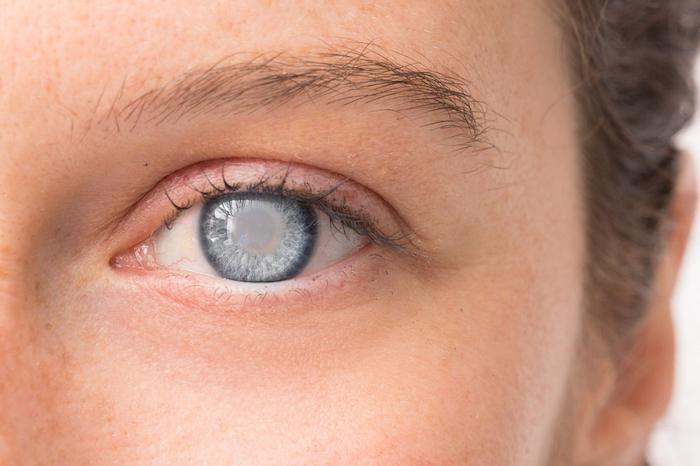
A cataract is a clouding of the natural lens inside the eye. As the lens becomes cloudy, vision may appear blurry, hazy, or less vibrant. Cataracts are very common and typically develop gradually with age. The good news is that cataracts are treatable, and modern surgery is safe and highly effective at restoring clear vision.
What Are Cataracts?
Inside your eye is a clear lens that helps focus light onto the retina so you can see clearly. Over time, proteins in the lens can break down and clump together, causing the lens to become cloudy. This clouding is called a cataract.
Cataracts usually develop slowly and may not affect vision at first. As they progress, everyday activities such as reading, driving, or recognizing faces can become more difficult.
Common Symptoms of Cataracts
Cataract symptoms often develop gradually and may include:
Blurry or cloudy vision
Glare or halos around lights
Difficulty driving at night
Faded or yellowed colors
Increased sensitivity to light
Frequent changes in glasses prescription
Needing brighter light for reading
Because symptoms worsen slowly, many people don’t realize how much their vision has declined until after treatment.
What Causes Cataracts?
The most common cause of cataracts is aging. However, other risk factors include:
Diabetes
Smoking
Excessive UV exposure
Long-term steroid use
Eye injuries
Previous eye surgery
Family history of cataracts
While age-related cataracts are most common, they can develop earlier depending on health and lifestyle factors.
How Are Cataracts Diagnosed?
Cataracts are diagnosed during a comprehensive eye exam. Your doctor will evaluate:
Visual clarity
Lens transparency
Retinal health
Overall eye condition
Even if you think you simply “need stronger glasses,” an exam can determine whether cataracts are contributing to your symptoms.
When Is Cataract Surgery Needed?
Cataract surgery is recommended when vision loss begins to interfere with daily activities — not based on how the cataract looks, but on how it affects your quality of life.
If you are having difficulty with:
Night driving
Reading
Watching television
Work-related tasks
Recognizing faces
It may be time to discuss surgical options.
There is no need to “wait until it’s ripe.” Surgery can be performed when vision changes begin impacting your lifestyle.
What Happens During Cataract Surgery?
Cataract surgery involves removing the cloudy natural lens and replacing it with a clear artificial intraocular lens (IOL).
The procedure:
Is typically outpatient
Takes about 15–30 minutes
Is performed under local anesthesia
Has a high success rate
Most patients notice improved vision within a few days.
There are different types of intraocular lenses available, including options that can reduce dependence on glasses. Your doctor will help determine which lens type best fits your visual needs and lifestyle.
Cataract Surgery Co-Management
While we do not perform cataract surgery in-office, we work closely with trusted ophthalmic surgeons to coordinate your care. We provide comprehensive pre-operative evaluations, refer you to experienced surgeons, and continue your post-operative follow-up visits in our office. This allows you to recover and monitor healing with a doctor you already know and trust.
Life After Cataract Surgery
After surgery, colors often appear brighter and vision sharper than before. Many patients are surprised by how much clarity they regain.
Some patients may still need glasses for certain tasks, depending on the type of lens chosen and individual eye health.
Regular eye exams remain important after cataract surgery to monitor overall eye health, including screening for glaucoma, macular degeneration, and other age-related conditions.
Protecting Your Vision as You Age
Cataracts are a natural part of aging, but vision loss doesn’t have to be. Early detection, proper monitoring, and timely surgical referral can restore clarity and improve quality of life.
If you’ve noticed increasing glare, cloudy vision, or frequent prescription changes, schedule a comprehensive eye exam to determine whether cataracts may be affecting your sight.